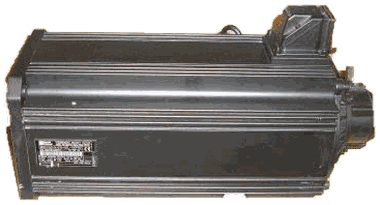
Litco inventory record match
2AD134 overview
2AD134 belongs to the 2AD Asynchronous Main-Spindle Motors platform. Regulated AC main-spindle motor frame where electrical design, cooling, feedback and mechanical interface must match.
Regulated main-spindle motors matched as a complete motor, cooling, feedback, mechanical and RAC controller combination.
The base model identifies a useful frame or product group, but it is not enough by itself to select a replacement. Electrical design, feedback, mechanical interface, brake, cooling, firmware and installed options can all change inside one model group.
Send the full nameplate plus photos of the unit and connections. Litco can route the request toward a verified inventory check, repair evaluation, exchange or a technical follow-up.
2AD134 main-spindle motor identification notes
2AD motors are asynchronous main-spindle motors used in regulated spindle-drive systems. Motor, controller and programming data are selected as a combination.
| System context | Regulated main-spindle drive |
|---|
| Controller family | RAC controllers are documented with 2AD motor combinations |
|---|
| Selection basis | Complete motor type code plus controller/programming-module combination |
|---|
| Application checks | Cooling, feedback, mechanical design and spindle requirements |
|---|
Compatibility checkpoint: Do not select a 2AD motor from the frame alone. Confirm the full suffix and the installed main-spindle drive system.
View manual reference: AC Main-Spindle Drives with Regulated 2AD Motors - Selection Guide →Related selection and system guides
Compare 2AD134 with the surrounding product family and installed system before planning a substitute.
Repair, testing and exchange
Use one intake for a repair evaluation, exchange request or replacement search. Describe the failure, capture any display or drive fault, identify the machine and axis, and preserve parameters or application data before removing control hardware.
Other 2AD model groups
Use the exact model characters on the label. Neighboring groups can use different frames, power classes, interfaces or mechanical packages.